

The evolution of gambling a historical perspective on its impact and culture
The Origins of Gambling
The origins of gambling trace back thousands of years, woven into the fabric of human culture. Archaeological evidence suggests that the earliest forms of gambling can be found in ancient China around 3000 BC with the use of tiles to play a game of chance. In various societies, gambling was not merely an entertainment pastime; it served religious and social functions, often linked to rituals and celebrations. Games of chance allowed people to explore luck and fate, thereby strengthening community bonds and establishing social hierarchies. If you’re looking to dive deeper into the intricacies of modern gaming, you can visit https://betscore.nz/ for a comprehensive resource.
Throughout history, civilizations like the Egyptians and Romans further advanced gambling. Egyptians engaged in betting on various games, while Romans incorporated gambling into their festivities, most notably through chariot races and gladiatorial games. The use of dice, which dates back to 5000 BC, became a common practice across cultures, facilitating various forms of betting. This historic intertwining of gambling with societal events reflects its significant role in shaping cultural narratives and communal identities.
The Middle Ages marked a shift in gambling practices as card games emerged in Europe. By the 14th century, games like poker and blackjack began to take form, influencing gambling culture significantly. The establishment of gaming houses and the emergence of lotteries during this period showcased how gambling became institutionalized, further embedding it within societal norms. The legalities and moral perceptions surrounding gambling evolved, often clashing with religious doctrines, yet its popularity continued to thrive.
The Rise of Modern Gambling
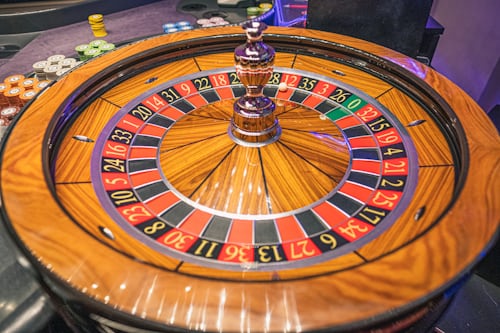
The 19th century heralded a new era for gambling, particularly with the establishment of casinos and racetracks across Europe and America. The invention of roulette in France became a hallmark of modern gambling, captivating players with its spinning wheel and the thrill of chance. This period marked the transition from informal gambling in taverns to organized betting in licensed establishments, introducing regulatory measures aimed at controlling the burgeoning gambling industry.
The expansion of railroads in the 1800s facilitated travel to these gambling hubs, and as leisure activities began to rise, so did the allure of casinos. Notable locations like Monte Carlo became synonymous with opulence and extravagance, drawing the wealthy elite and eventually, the masses. This democratization of gambling contributed to an evolving culture around risk-taking and entertainment, with a significant impact on social dynamics and economic structures.
The early 20th century brought further innovations in the gambling landscape, particularly with the introduction of slot machines. These mechanical marvels offered quick gratification and became a staple in bars and casinos. The introduction of the lottery in various states provided a means for governments to raise revenue while appealing to the public’s desire for chance-based rewards. This period exemplified how gambling adapted to societal changes, continually reinventing itself to captivate new audiences, demonstrating the power of technology in shaping its future.
The Digital Revolution and Online Gambling
The late 20th century marked a pivotal moment in the evolution of gambling with the advent of the internet. Online gambling emerged in the mid-1990s, allowing players to engage in their favorite games from the comfort of their homes. This digital revolution transformed the gambling industry, making it more accessible and convenient. Virtual casinos offered a wide range of games, from traditional card games to innovative slot machines, catering to diverse preferences and creating a more inclusive gaming environment.
The technology behind online gambling has continually evolved, with advancements like mobile gaming reshaping how people interact with gambling platforms. Players can now place bets on their smartphones, providing flexibility and convenience that traditional venues cannot match. The integration of live dealer games, which simulate the experience of a physical casino, has further enhanced user engagement, allowing players to interact with real dealers and other participants.
Additionally, online gambling platforms have leveraged data analytics and artificial intelligence to improve user experience and security. This technological integration ensures that players enjoy personalized gaming experiences while maintaining responsible gambling practices. The rise of cryptocurrencies also introduced a new dimension to online betting, offering anonymity and security for transactions. As technology continues to advance, the future of gambling is poised for even more transformative changes.
The Cultural Impact of Gambling
The cultural impact of gambling is profound, influencing social interactions, entertainment, and even economic systems. In many societies, gambling is viewed as a rite of passage, where individuals engage in betting as a form of social bonding. Celebrations and festivities often incorporate elements of gambling, reflecting its role in leisure and community engagement. Furthermore, the portrayal of gambling in media, such as films and literature, has contributed to its cultural narrative, shaping public perceptions and attitudes towards risk and chance.
However, gambling also has a darker side, with issues of addiction and financial ruin emerging as significant societal concerns. The cultural stigma surrounding problem gambling has evolved, prompting discussions about responsible gambling practices and the need for support systems. Advocacy groups have emerged, emphasizing the importance of education and awareness in fostering healthier gambling behaviors and mitigating the potential negative impacts on individuals and families.
As societies continue to grapple with the duality of gambling—its potential for entertainment and the risks associated with it—the need for regulation and responsible practices remains paramount. The cultural legacy of gambling reflects an ongoing dialogue about risk, reward, and the human experience, shaping how individuals and communities engage with this age-old pastime.

Experience Gambling at BetScore Casino
For those interested in exploring the world of gambling, BetScore Casino stands out as a premier online gaming destination. Offering an extensive selection of games—from classic pokies to dynamic live dealer experiences—BetScore caters to every player’s preferences. The platform is designed to provide a thrilling and secure environment, ensuring that players can focus on their gaming journey without concerns.
With competitive welcome bonuses and ongoing promotions, BetScore Casino enhances the gaming experience, allowing players to maximize their enjoyment and potential winnings. The commitment to responsible gambling is paramount, as the platform prioritizes player safety and well-being. With fast payout options and a user-friendly interface, BetScore makes it easy for players to immerse themselves in the excitement of online gaming.
As technology continues to shape the gambling industry, BetScore Casino remains at the forefront, offering innovative solutions and engaging experiences. Whether you are a seasoned player or new to the world of gambling, joining BetScore Casino promises an unforgettable adventure filled with excitement and the thrill of chance.